- Only 26% of college students feel confident about their financial literacy (SPARK Institute,2022).
- Furthermore, as per a CNBC survey, 30% of Gen Z credit card holders don’t understand how interest is calculated.
- According to Urban Institute data, nearly 1 out of 5 young adults (18-24) with a credit has debt in collections.
Alarming isn’t it!

Image Sources mention at the end of the article
Financial literacy is a necessary skill in order to ensure a safe and secure financial future. In today’s fast-pacing world, understanding credit is as essential as knowing how to operate a cellphone. Yet many adults, use it without understanding how it truly works, often ending up in debt traps, with poor credit scores, and long-term financial consequences.
Credit Cards: Tool or Trap?
A credit card lets you borrow money up to a certain limit to make purchases. You are required to repay at least a minimum each month, but if you don’t pay full amount, interest is charged.
When used wisely, it helps build your credit score. But when misunderstood, then it can quickly become a financial burden.
What is a credit-score?
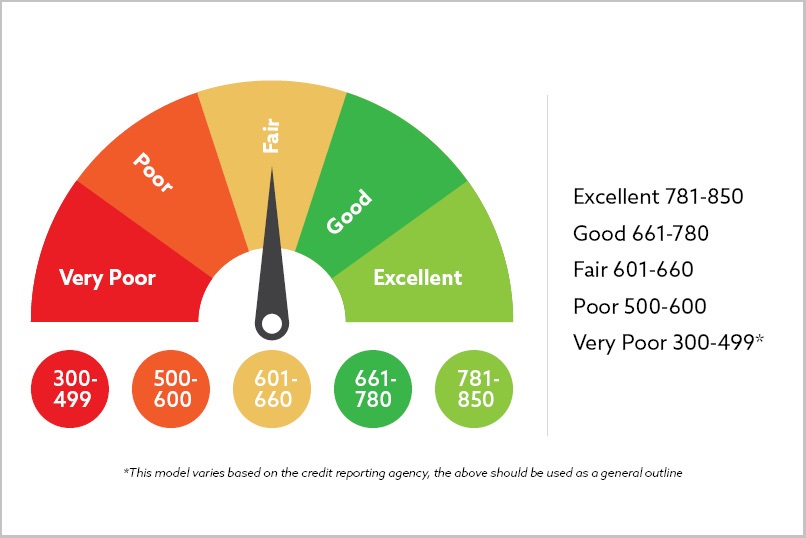
A credit-score is a three-digit number typically ranging between 300-850, which represents your credit-worthiness. Basically, how likely you are to repay borrowed money. In simple words, credit score acts as a trust the bank has in you.
- Higher credit score = Easier loan approvals
- Lower credit score = Harder to access credit or better interest rates
Lacking a credit score today, can lock you out of key life opportunities, and a low score can limit your financial growth.
Understanding Credit Scores
A credit score hinges on a credit report, including:
- Personal data (ZIP code, employment history)
- Debt repayment history (loans, credit cards, auto financing)
- Payment History
- Account balances
- Credit utilization (% of available credit being used)
Credit scoring companies like FICO and VantageScore, use algorithms (can vary as per company) to calculate your score. These companies sell your credit score to landlords, lenders, employers, and others willing to pay for it.

A good credit score (above 700) brings in great benefits, including:
- Easier approval for loans and rentals;
- Better interest rates on credit cards;
- Lower insurance premiums;
- Job opportunities, in some sectors.
Misunderstandings About Credit
- “Paying only the minimum is enough.” – False. This leads to high-interest charges and long-term debt.
- “Carrying a balance builds credit.” – No. Paying in full still builds credit.
- “Checking your credit hurts your score.” – Only hard inquiries (like loan applications) affect your score. Monitoring your own score doesn’t.
How To Build Credit the Smart Way
- Always pay on time;
- Keep credit usage low (under 30%);
- Avoid unnecessary loans or cards;
- Maintain one card long term (9+ years builds trust);
- Track your credit regularly.
In a nutshell, credit cards and scores are powerful tools-not traps-if used with knowledge. By learning the basics early on, young people can avoid lifelong debt and unlock financial freedom.
Start early. Stay informed. And let your credit work for you-not against you.
Image Sources
https://www.simmonsbank.com/siteassets/content-hub/learning-center/credit-score-image.jpg